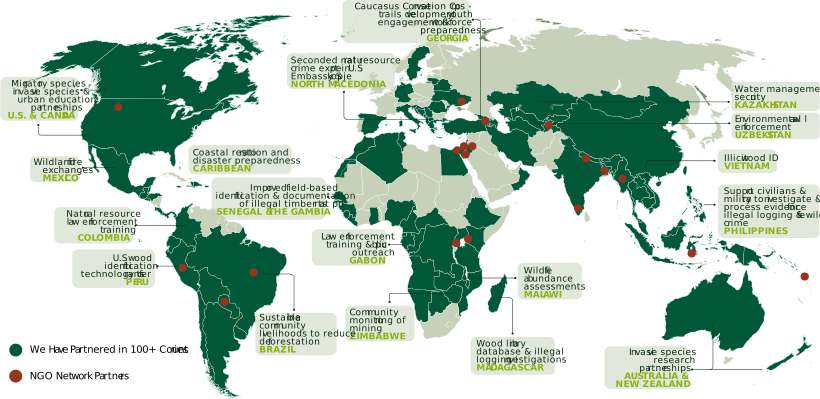
The Forest Service International Foundation partners with the U.S. Forest Service Office of International Programs and Trade and a global network of NGOs, universities, community organizations, and private-sector actors to design and implement impactful international development initiatives.
As a trusted implementer of multi-year programs, the Foundation enables partners to support existing Forest Service efforts or leverage U.S. Forest Service technical expertise to advance sustainable forest management, resilient landscapes, and thriving communities.
By linking the skills of the field-based staff of the U.S. Forest Service with partners overseas, the Forest Service and Foundation can address the world’s most critical forestry issues and concerns.
International cooperation is necessary to sustain the ecological and commercial viability of global forest resources and to conserve biodiversity. The United States benefits from global collaboration. Innovative technologies are brought back home, cross-boundary environmental problems are addressed, and opportunities to hone U.S. Forest Service skills are increased.
The NGO Network is a peer-driven, global learning community established by the U.S. Forest Service Office of International Programs and Trade and now supported by the Forest Service International Foundation. It connects 19 passionate NGO partners across 18 countries — each deeply engaged in community-based natural resource management, and the support of conservation-oriented, sustainable livelihood initiatives.
The Network was created to foster shared learning, amplify local expertise, and strengthen the organizational foundations that enable NGOs to lead transformational change in their landscapes
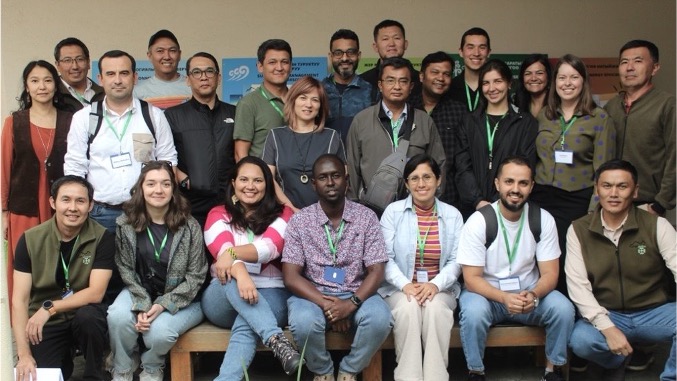

Poverty, limited job opportunities, and ecological challenges drive people—especially youth—to leave their communities. Migration strains families, economies, and ecosystems. To help mitigate these pressures, the Forest Service partners to strengthen local livelihoods, build resilience, and foster stewardship of natural resources.
The Forest Service and partners deliver job training and Youth Conservation Corps (YCC) programs around the world that cultivate leadership at the local level, encouraging youth and adults to remain in their communities as stewards of economic development and resilience.
The Forest Service helped to start YCC Honduras in 2017. The success of the program to make a positive impact on the lives of young Hondurans has drawn more partners from the public and private sector. Those partnerships have created more opportunities for graduates, including university scholarships, national park training programs, and more courses for the program’s curriculum. Graduates receive national accreditation from the Instituto Nacional de Formación Profesional and join a network of alumni who have become conservation leaders in their communities.

In the hills north of Beirut, Lebanon, a group of young citizen scientists collects the footprints of small mammals using contact paper and charcoal. They are hoping they might find signs of forest dormice, a fluffy-tailed, squirrel-like animal that thrives in dense forests. But forest dormice are no longer common in Lebanon, where rapid urbanization, unsustainable forestry practices, and, increasingly, wildfire have reduced Lebanon’s forest cover to just six percent, leaving a highly urbanized population vulnerable to flooding, compromised ground water and polluted air.
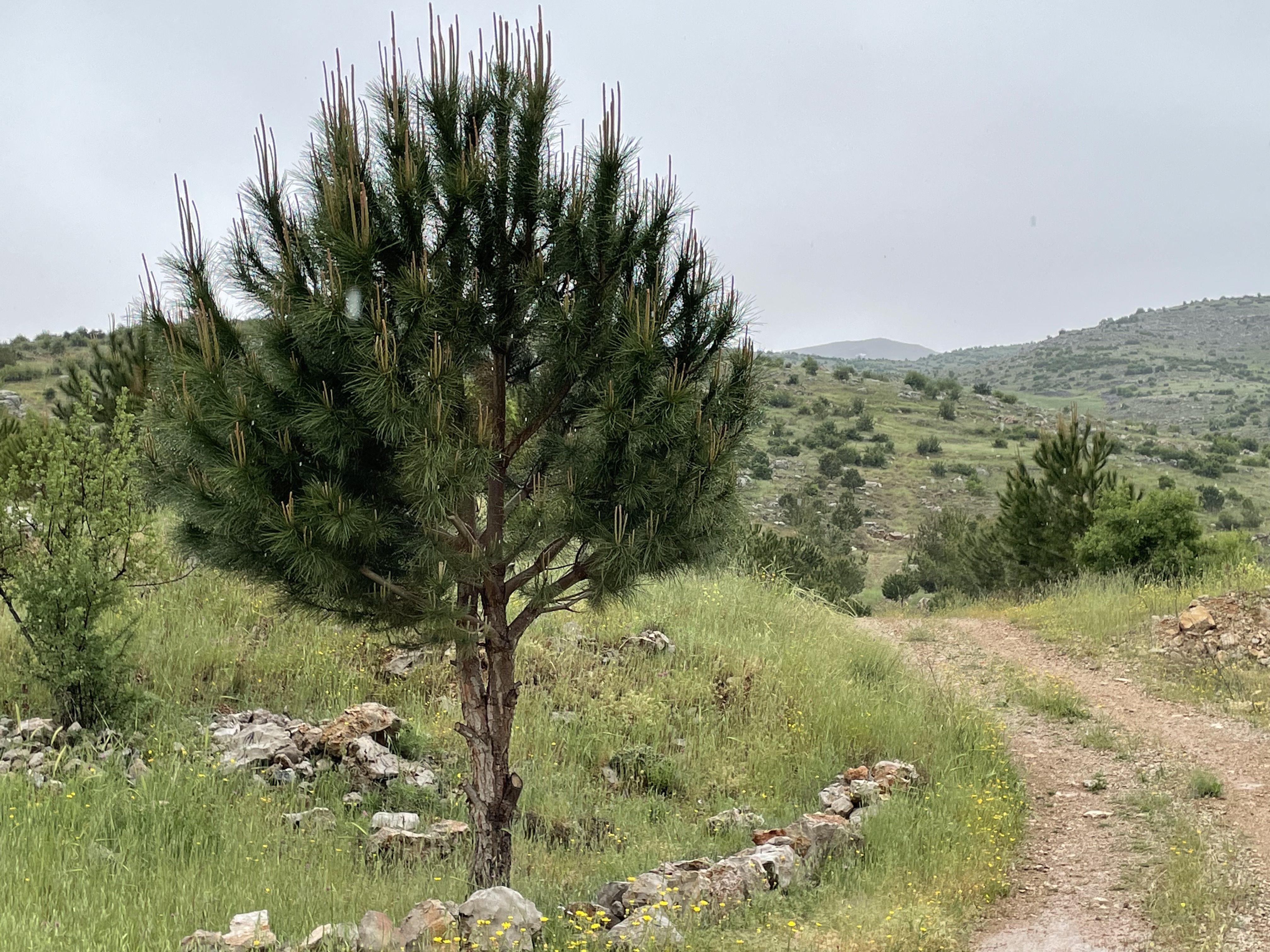
Since 2011, the Lebanon Reforestation Initiative (LRI) has been trying to counter deforestation and nurture a new generation of conservation leaders. With support from the Forest Service, LRI has planted more than 1.5 million native tree species throughout Lebanon, with an average survival rate of 76 percent. In Rachaya, one of many reforestation sites and just 10 kilometers from the Syrian border, hillsides are green again along a 35-kilometer corridor. Families now picnic in the shade of eight-year-old pine trees. When the trees reach 10 years, the municipality will lead the harvesting of lucrative pine nuts.